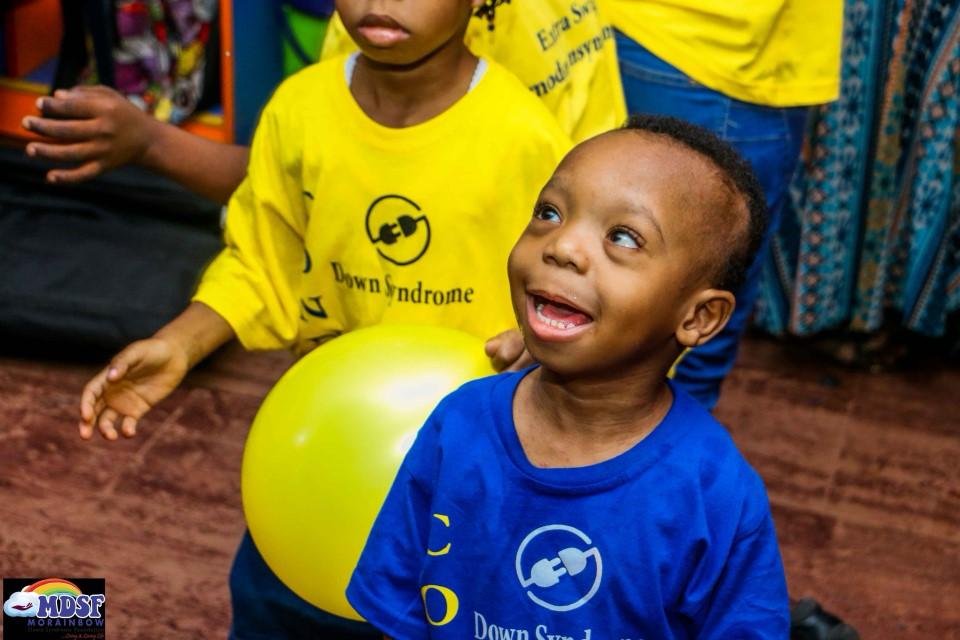
Down syndrome is a genetic condition that affects approximately 1 in 700 babies born in Nigeria.
It occurs when an extra copy of genes is present on the 21st chromosome, leading to a range of developmental and physical characteristics.
While Down syndrome is a lifelong condition, with the right support and inclusive environments, individuals can lead fulfilling and meaningful live
What is Down Syndrome?
A normal human cell has 46 chromosomes, while a cell with Down syndrome has 47 chromosomes.
This is because instead of the 23 pairs that make up the 46 chromosomes in a normal human cell, the Down syndrome cell has an extra copy of chromosome 21, resulting in three copies instead of the usual two.
This additional genetic material disrupts typical development, impacting various aspects of a person’s life.
Common Characteristics of Down Syndrome:
1. Physical Features: Individuals with Down syndrome often exhibit distinct physical characteristics, such as:
-
- Upward slanting eyes
- A flattened facial profile
-
- Smaller stature
-
- A single crease across the palm
-
- Increased muscle tone
-
- Smaller than average head circumference
-
- Developmental Delays: Children with Down syndrome may experience developmental delays in areas such as:
-
- Motor skills: Crawling, walking, sitting up
-
- Speech and language: Communication and language development
-
- Cognitive development: Learning and intellectual abilities
-
- Intellectual Development: Individuals with Down syndrome exhibit a range of intellectual abilities. While some may experience significant intellectual disabilities, others may have mild to moderate delays. Early intervention and specialized support can significantly improve cognitive development and overall well-being.
Common Health Conditions:
Individuals with Down syndrome may be at an increased risk of certain health conditions, including:
-
- Congenital heart defects: Such as atrial septal defect (ASD) or ventricular septal defect (VSD).
-
- Hypothyroidism: An underactive thyroid gland.
-
- Hearing loss: Both conductive and sensorineural hearing loss can occur.
-
- Leukaemia: A slightly increased risk of developing leukaemia.
-
- Gastrointestinal issues: Such as celiac disease or gastroesophageal reflux disease (GERD).
-
- Vision problems: Such as cataracts, glaucoma, or refractive errors.
Supporting Individuals with Down Syndrome in Nigeria:
We can support persons with Down Syndrome in various ways which include:
-
- Early Intervention: Early intervention programs are crucial for optimal development. These programs typically include:
-
- Physical therapy: To improve motor skills and coordination.
-
- Occupational therapy: To develop fine motor skills and daily living skills.
-
- Speech therapy: To improve communication and language skills.
-
- Special education: To provide individualized learning plans and support in educational settings
-
- Early Intervention: Early intervention programs are crucial for optimal development. These programs typically include:
-
- Inclusive Education:
-
- Creating inclusive classrooms where children with Down syndrome can learn alongside their peers.
-
- Providing necessary support services within the school environment, such as assistive technology and individualized education plans (IEPs).
-
- Raising awareness among teachers and staff about the needs of children with Down syndrome
-
- Inclusive Education:
-
- Medical Care:
-
- Regular check-ups with paediatricians, cardiologists, and other specialists are essential for monitoring health conditions and addressing any concerns.
-
- Access to quality healthcare services, including therapies and medications, is crucial
-
- Medical Care:
-
- Social Inclusion:
-
- Creating opportunities for social interaction and participation in community activities.
-
- Promoting acceptance and understanding within the community.
-
- Supporting families and caregivers of individuals with Down syndrome
-
- Social Inclusion:
-
- Advocacy and Awareness:
-
- Advocating for policies that support the rights and well-being of individuals with Down syndrome.
-
- Raising awareness about Down syndrome within the Nigerian community to reduce stigma and promote inclusion
-
- Advocacy and Awareness:
Organizations like the Down Syndrome Association of Nigeria and private foundations like Morainbow Down Syndrome Foundation play vital roles in providing support, resources, and advocacy for individuals with Down syndrome and their families.
To support a person living with Down syndrome, click here.